Hernia Emergencies

Patient Information: Complications of Hernias
(Inguinal, Umbilical, Ventral, and Incisional Hernias)

Hernias occur when part of an internal organ or tissue pushes through a weak spot in the muscle or abdominal wall. Most hernias are not dangerous, but complications can occur if the hernia becomes trapped or the blood supply is affected. Early recognition and treatment are

What Causes Hernias?

Hernias happen when the muscles in your abdomen become weak and there is too much pressure inside. Some things that can contribute include:

  • Lifting heavy objects or straining too much
  • Chronic coughing (like smoking or having lung problems)
  • Being pregnant and giving birth
  • Being overweight
  • Having had previous abdominal surgery (like an incisional hernia)
  • Getting older and losing muscle strength
  • Having constipation and straining when you go to the loo
  • Having a family history of hernias

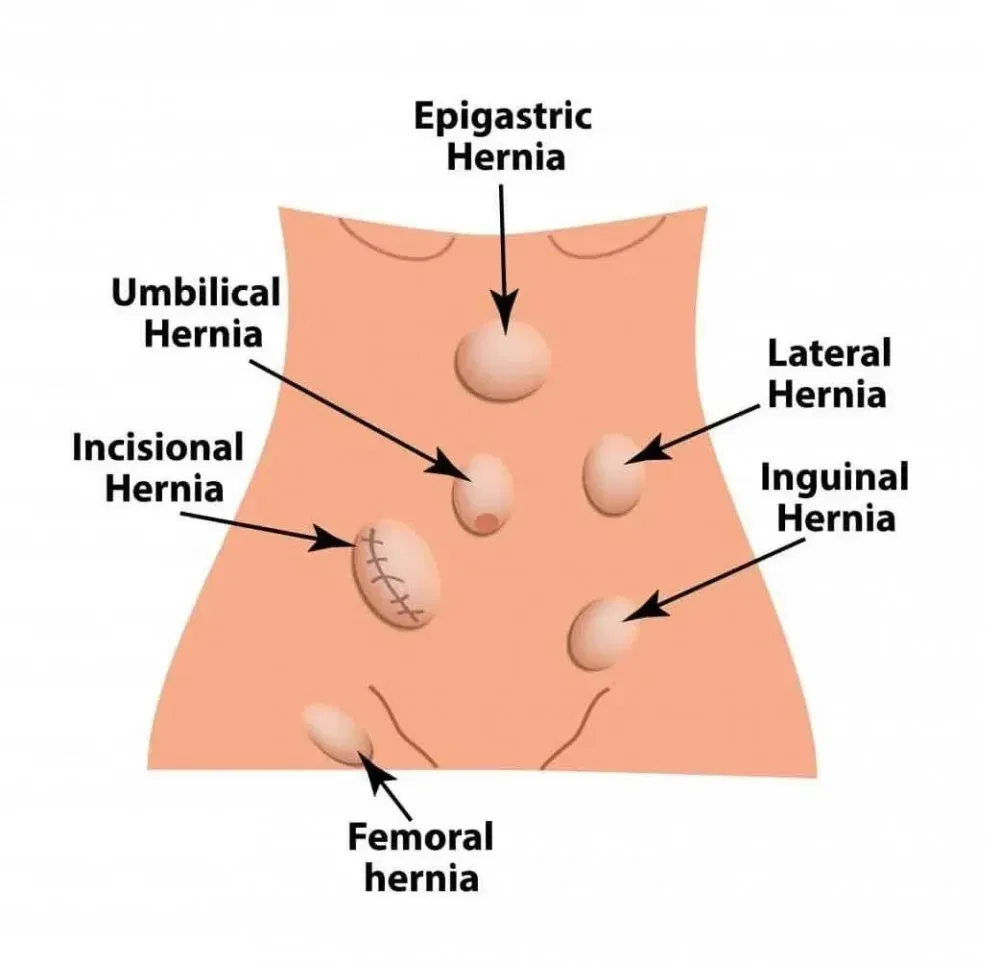
Types of Hernias Covered

  • Inguinal hernia: In the groin area
  • Umbilical hernia: Around the belly button
  • Ventral hernia: Anywhere on the abdominal wall
  • Incisional hernia: Through a previous surgical scar

Possible Complications

Although many hernias cause only discomfort, the following complications should be taken seriously:

A. Incarceration (Trapped Hernia)

What it means:

The contents of the hernia, like fat or bowel, get stuck and can’t be pushed back inside.

Symptoms:

  • Constant pain at the hernia site
  • A firm lump that doesn’t go away when you lie down
  • Nausea or vomiting
  • Abdominal bloating
  • Feeling unwell

Why it’s serious:

If a loop of bowel gets trapped, it can quickly become strangulated, which is a medical emergency.

B. Strangulation (Cut-off Blood Supply)

What it means:

When blood flow to the trapped tissue or bowel is cut off, it’s a surgical emergency.

Symptoms:

  • Severe, persistent pain
  • Redness or dark discolouration over the hernia
  • Fever
  • Rapid heart rate
  • Vomiting
  • The hernia is extremely tender and cannot be pushed back

Why it’s serious:

If not treated quickly, it can lead to dead bowel, infection, sepsis and can be life-threatening without urgent surgery.

C. Bowel Obstruction

What it means:

The bowel inside the hernia becomes blocked.

Symptoms:

  • Cramping abdominal pain
  • Vomiting
  • Swollen or bloated abdomen
  • No passing wind or stool
  • Hernia lump may become tense or painful

D. Skin Changes / Ulceration

If a hernia is large or has been there for a while, it can put pressure on the skin, which might cause it to break down or get ulcers.

E. Pain and Activity Limitation

Even when there are no emergencies, hernias can still cause ongoing discomfort, make it hard to lift things and limit what you can do each day.

Treatment Options

A. Watchful Waiting

If you have a small, painless hernia that does not have any risk factors, it is best to keep an eye on it. Regular check-ups and making some lifestyle changes can help.

B. Planned (Elective) Hernia Repair Surgery

Surgery might be a good idea if:

  • The hernia is causing pain or getting bigger
  • It’s making it hard to do things you enjoy
  • There’s a chance it could get trapped or cause problems later on

There are a couple of ways to fix the hernia:

  • Open repair
  • Laparoscopic (keyhole) repair

We often use mesh to help strengthen the area and lower the chances of it coming back.

C. Emergency Surgery

This is needed if:

  • The hernia gets cut off from blood supply (strangulation)
  • There is a suspicion of a bowel blockage (bowel obstruction)
  • There is severe pain or vomiting

When to Seek Urgent Help

If you have any of these, get medical help straight away:

  • Sudden severe pain at the hernia site
  • A lump that gets hard, hurts and won’t go away when you push it
  • Red or dark discoloration of the hernia
  • Vomiting or inability to pass wind/stools
  • Fever or feeling generally unwell

These could mean the hernia is stuck or getting cut off from blood.

Tips to Reduce Problems and Avoid Complications

Lifestyle and Prevention

  • If you lift heavy things, try to avoid it or ask for help when you need it.
  • Make sure you lift correctly—bend your knees and keep your back straight.
  • Keep a healthy weight to ease the pressure on your tummy.
  • If you have a long-term cough, try to treat it and if you smoke, consider stopping.
  • To avoid constipation, eat plenty of fibre, drink plenty of fluids and do some gentle exercise.
  • Work on strengthening your core muscles with safe, guided exercises.
  • If you have a hernia, a doctor might suggest wearing a support garment but remember that it won’t fix the hernia.
  • If you have had abdominal surgery, please follow all the instructions carefully after the operation to help prevent incisional hernias.

Why Dr. Spyros Panagiotopoulos?

Talk with us