
When lifestyle measures alone are insufficient, anti obesity medications (AOMs) can augment weight loss, improve metabolic risk and support long term maintenance.
Pharmacotherapy
When We Use Medication
Pharmacotherapy plays a pivotal role in obesity management, complementing lifestyle modifications such as dietary changes and physical exercise. It can facilitate clinically significant weight loss and mitigate obesity-associated health complications.
While lifestyle modifications alone may result in modest and unsustainable weight reduction, pharmacotherapy, in conjunction with bariatric surgery and medical nutritional therapy, offers supplementary options for achieving and sustaining a healthy weight.

Medications in Current UK Guidance (overview)
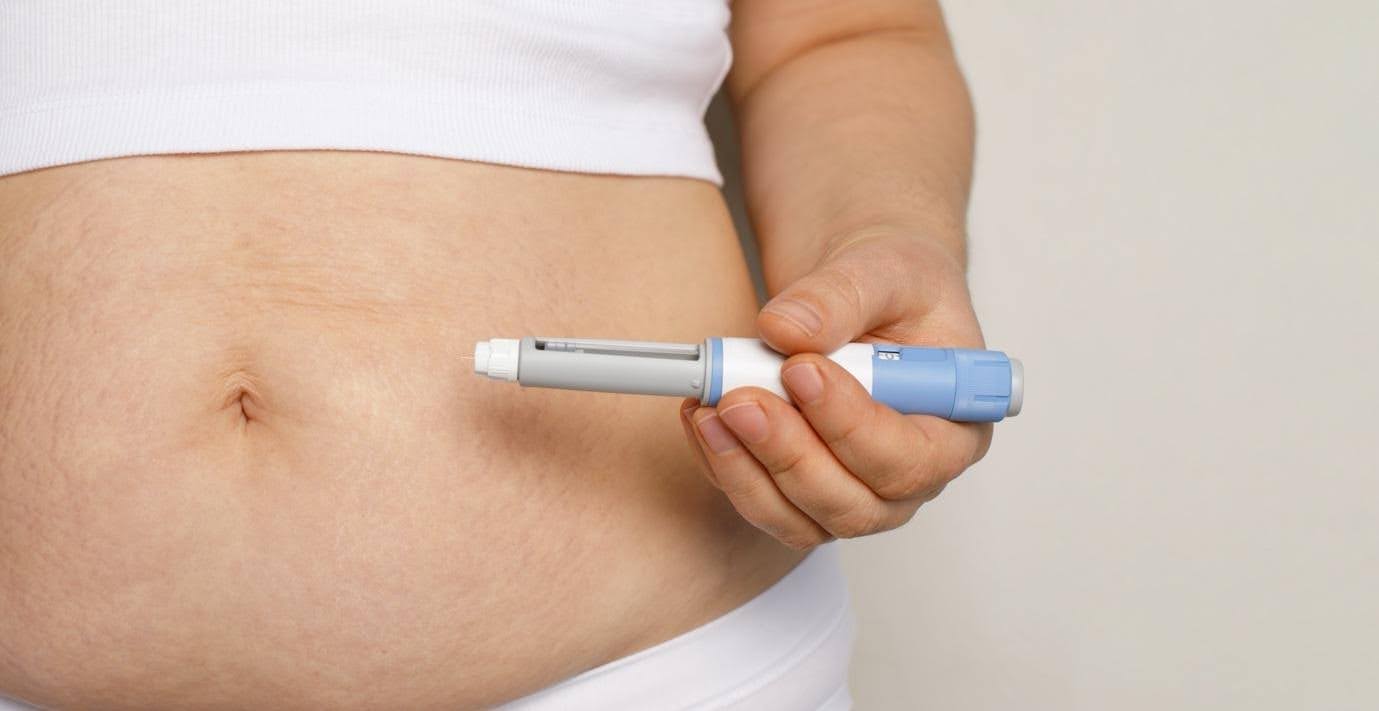
- Tirzepatide (Mounjaro®): dual GIP/GLP‑1 RA; NICE‑recommended for adults typically with BMI ≥35 kg/m² + comorbidity.
- Semaglutide (Wegovy®): GLP‑1 RA; indicated for weight management within defined BMI thresholds.
- Liraglutide (Saxenda®): GLP‑1 RA; for adults with BMI ≥35 kg/m² with hyperglycaemia/CV risk.
- Orlistat (Xenical®/Alli®): lipase inhibitor; BMI ≥30 kg/m², or ≥28 kg/m² with risk factors.
Contraindications and Side-Effects
A) GLP 1 Receptor Agonists (e.g. semaglutide, tirzepatide, liraglutide)
- Common side effects:
These usually affect your stomach and intestines. You might feel sick to your stomach (20–40%), vomit (10–20%), have diarrhoea (15–30%) or be constipated (5–10%).
These symptoms usually appear when you start taking more of the medication and usually disappear within a few days to weeks as you gradually increase the dose.
- Less common but more serious risks:
- Gallbladder problems and acute pancreatitis
- Delayed gastric emptying: This can make it harder to digest and might increase the risk of aspiration during anaesthesia or make certain procedures like bowel prep more difficult.
- Other risks include retinopathy progression, how your body reacts to the medication and rare risks of kidney problems, fainting and low blood pressure.
Contraindications:
Please be aware that there are some situations where this treatment might not be suitable:
- If you or someone in your family has had medullary thyroid cancer or MEN 2, or
- If you are pregnant or breastfeeding
Please let us know if this applies to you.
B) Orlistat (lipase inhibitor)
- Common side effects
Side effects primarily affect the gastrointestinal tract. These may include oily spotting, flatulence, a sudden urge to defecate, abdominal cramps and incontinence. These symptoms typically improve over time.
Contraindications:
Please be aware that there are some situations where this treatment might not be suitable:
- If you have a long-term problem with malabsorption
- If you have known cholestasis (bile flow is blocked)
- If you are pregnant or breastfeeding
Please let us know if this applies to you.
Why Mr. Spyros Panagiotopoulos?
Mr. Panagiotopoulos integrates pharmacotherapy within a clear, safe protocol – careful selection, gradual titration, close follow-up, and coordination with nutrition and psychology to maximise benefit and safety.