
Obesity is a complex medical condition that requires comprehensive, evidence-based management. Effective treatment combines personalised strategies designed to improve long-term health outcomes and overall quality of life.
Management of Obesity
Understanding Obesity
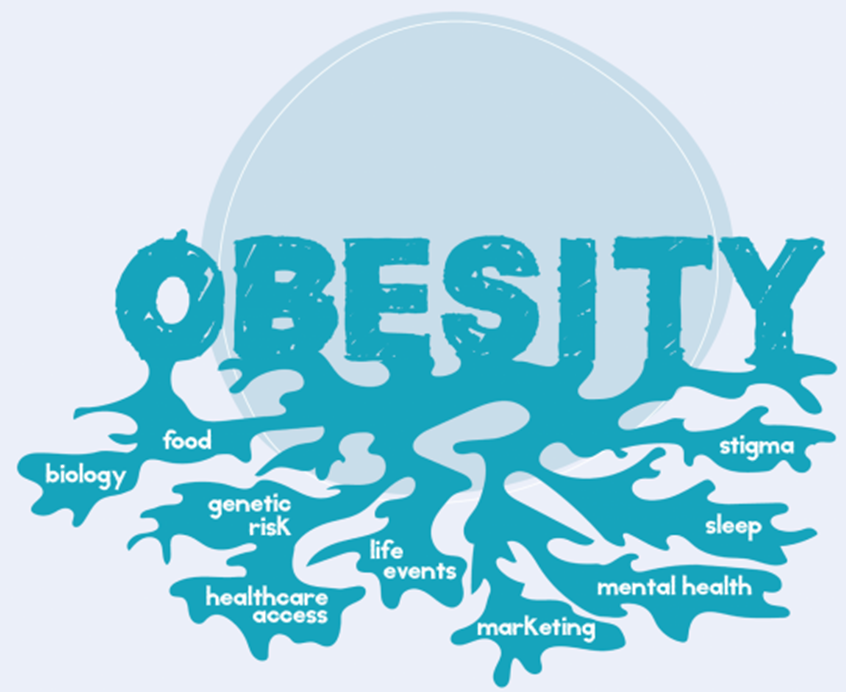
Obesity, also known as excess weight or any other term that may stigmatise individuals and is associated with health problems, is a complex condition.
Although evidence suggests that individuals with excess adiposity may experience health complications, obesity is generally regarded as a risk factor for various diseases rather than a standalone condition.
The concept of obesity as a disease remains a subject of ongoing debate. Furthermore, contemporary Body Mass Index (BMI)-based assessments of obesity can exhibit both underestimation and overestimation of adiposity and provide insufficient information regarding individual health outcomes.
Recently, a new term, clinical obesity, has been introduced to describe the condition of obesity:
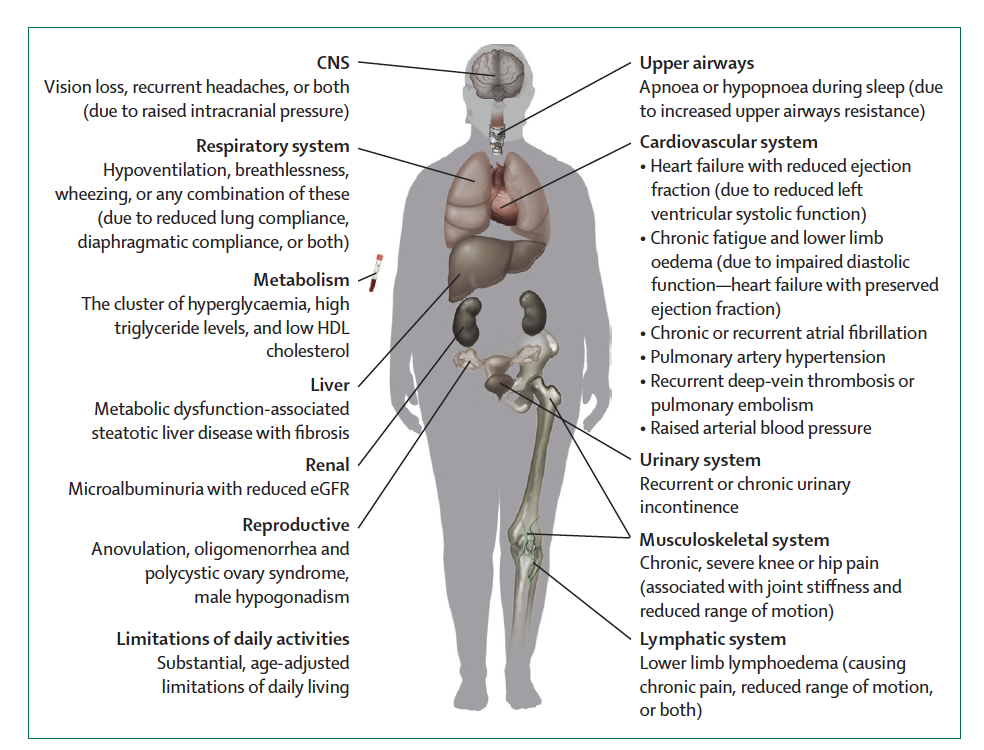
Clinical obesity is characterised by the onset of negative health impacts, often manifesting as organ dysfunction or limitations in daily activities. It is distinguished from pre-clinical obesity, which is characterised by excess body fat but does not exhibit any observable health issues.
The Lancet Diabetes and Endocrinology Commission has defined clinical obesity as a chronic disease directly resulting from excess body fat, which adversely affects organ function and daily life.
Clinical obesity is characterised by objective signs and symptoms indicating reduced organ function or a substantial reduction in the ability to perform routine activities due to excess body fat. These signs and symptoms may include heart disease, shortness of breath, type 2 diabetes, joint pain, and difficulties with activities such as bathing, dressing, eating and maintaining continence.
In contrast, pre-clinical obesity refers to a state of obesity where there is excess body fat but no evidence of organ dysfunction or limitations in daily activities.
Assessment and Diagnosis
We perform a holistic evaluation covering medical history, diet and behaviour, physical examination, anthropometry and metabolic profiling. This comprehensive view informs a tailored plan.
Treatment Approach
Our management plan may include dietary modification, pharmacotherapy, physical activity programmes, and, where appropriate, surgical interventions. The goal is to improve health outcomes and quality of life, not just reduce weight.
Each treatment plan is customised and may include:
• Dietetic advice and behavioural support
• Structured physical activity programmes
• Pharmacotherapy when indicated
• Bariatric/metabolic surgery for eligible patients
• Long‑term follow‑up with micronutrient monitoring and relapse prevention
Why Mr. Spyros Panagiotopoulos?
Mr. Spyros Panagiotopoulos is a leading Consultant in General and Metabolic/Bariatric Surgery at King’s College Hospital in London. His international expertise and research in obesity and metabolic disorders allow him to offer patients a highly specialised and empathetic approach. He ensures each patient receives comprehensive care through multidisciplinary collaboration, precision diagnosis, and safe, evidence-based treatment.