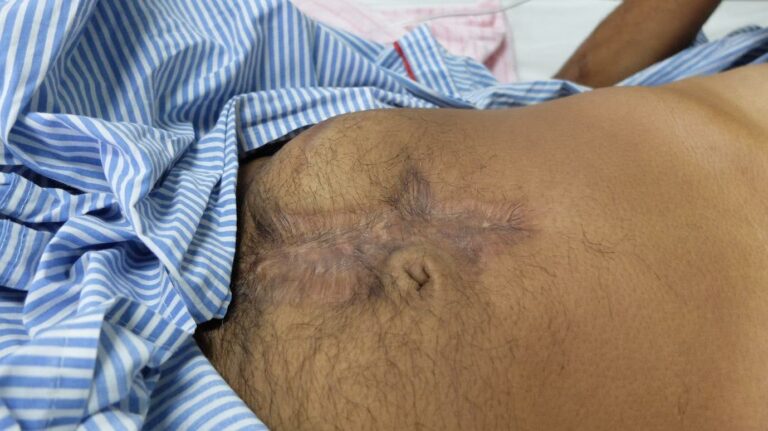
Post-Abdominal Trauma Conditions

Abdominal trauma refers to any injury to the stomach or belly area. These injuries may be:

  • Blunt trauma – caused by events such as car collisions, falls, bicycle accidents, sports injuries, or physical assaults.
  • Penetrating trauma – caused by objects entering the body, such as knife wounds or gunshot injuries.

After an abdominal injury, different organs and tissues inside the belly can be affected. Some problems appear straight away, while others develop gradually over time. Understanding what to expect can help you recognise important symptoms and know when to seek medical help.

Abdominal Wall Injuries

  1. Hematoma (Bleeding into the Abdominal Wall)

A hematoma is a collection of blood that forms within the muscles or soft tissues of the abdominal wall. It usually occurs when small blood vessels are damaged by the injury.

Common symptoms include:

  • Localised pain or tenderness that may worsen with movement
  • Visible bruising or discolouration of the skin
  • A firm or swollen area under the skin

What to expect:

  • Most hematomas get better on their own over several days to weeks.
  • Applying gentle heat or cold, taking prescribed pain relief, and avoiding heavy lifting may help.
  • In rare cases, a large hematoma may continue to bleed or become infected and may need medical review or treatment.
Management-of-Obesity
  1. Traumatic Abdominal Wall Hernia

A traumatic abdominal wall hernia develops when a sudden force causes a break or weakness in the abdominal muscles, allowing internal tissues or fat to push through the gap.

Possible signs and symptoms:

  • A soft or firm bulge in the injured area, which may increase in size when coughing or straining
  • Ongoing pain or discomfort
  • A feeling of pressure or heaviness in the abdomen

Why this is important:

  • Some hernias remain stable and cause minimal symptoms, but others may trap bowel or fat tissue, which can become painful or lose blood supply.
  • Many traumatic hernias require surgical repair, either soon after the injury or at a later stage, depending on your symptoms and the size of the defect.

Delayed Complications

Not all complications appear immediately. Some develop weeks or even months after the original trauma. It is important to stay alert to new or worsening symptoms and discuss concerns with your healthcare team.

  1. Adhesions (Internal Scar Tissue)

After abdominal trauma, the body naturally forms scar tissue as part of the healing process. Sometimes this scar tissue forms thin bands called adhesions, which can stick organs together or attach organs to the abdominal wall.

Potential effects of adhesions:

  • Many adhesions cause no symptoms at all.
  • In some cases, adhesions can affect the intestines, causing them to twist or become blocked.
  • This can lead to bowel obstruction, which needs urgent medical care.

Symptoms of bowel obstruction include:

  • Cramping or severe abdominal pain
  • Nausea or vomiting, especially vomiting that becomes persistent
  • Bloating or a swollen abdomen
  • Constipation or inability to pass wind
  • Feeling full very quickly

If you experience any of these symptoms, especially after a recent abdominal injury, seek immediate medical attention.

Treatment:

  • Mild obstructions may settle with rest, fluids, and medical monitoring.

More severe cases may require hospital admission, a drip (IV fluids), or sometimes surgery to release the blocked section of bowel.

When to Seek Medical Help

You should contact a healthcare professional or visit an emergency department if you experience:

  • Increasing abdominal pain or swelling
  • Persistent vomiting
  • Fever or chills
  • A new bulge or lump in the abdomen
  • Difficulty passing stool or gas
  • Fainting, dizziness, or signs of internal bleeding

Looking After Yourself After Abdominal Trauma

  • Follow all medical advice and attend scheduled follow-up appointments.
  • Avoid heavy lifting or strenuous activity until cleared by your doctor.
  • Monitor for new or worsening symptoms, even several weeks after the injury.
  • Keep wounds (if present) clean and dry, and watch for signs of infection such as redness, warmth, or discharge.

Why Dr. Spyros Panagiotopoulos?

Mr. Spyros Panagiotopoulos is a leading Consultant in General and Metabolic/Bariatric Surgery at King’s College Hospital in London. His international expertise and research in obesity and metabolic disorders allow him to offer patients a highly specialised and empathetic approach. He ensures each patient receives comprehensive care through multidisciplinary collaboration, precision diagnosis, and safe, evidence-based treatment.

Talk with us