
Hernias after bariatric surgery are a recognized complication that may occur months or even years following weight-loss procedures.
Rapid weight loss, altered abdominal wall mechanics, and prior surgical incisions can weaken the abdominal muscles, increasing the risk of hernia formation. Early diagnosis and appropriate surgical management are essential to prevent complications and preserve long-term bariatric outcomes.
Hernias Post Bariatric Surgery
Types of Hernias Seen After Bariatric Surgery
Several hernia types may develop following bariatric procedures, depending on surgical technique and individual risk factors:
- Incisional hernia – The most common type, occurring at the site of a previous surgical incisions
- Internal hernia – A specific risk following certain bariatric procedures where bowel loops herniate through defects created during the primary procedure. These defects are routinely closed during the initial surgery but as weight loss occurs, weakness can develop that may eventually lead to internal hernias.
Each type requires careful evaluation due to differences in presentation and urgency of treatment.
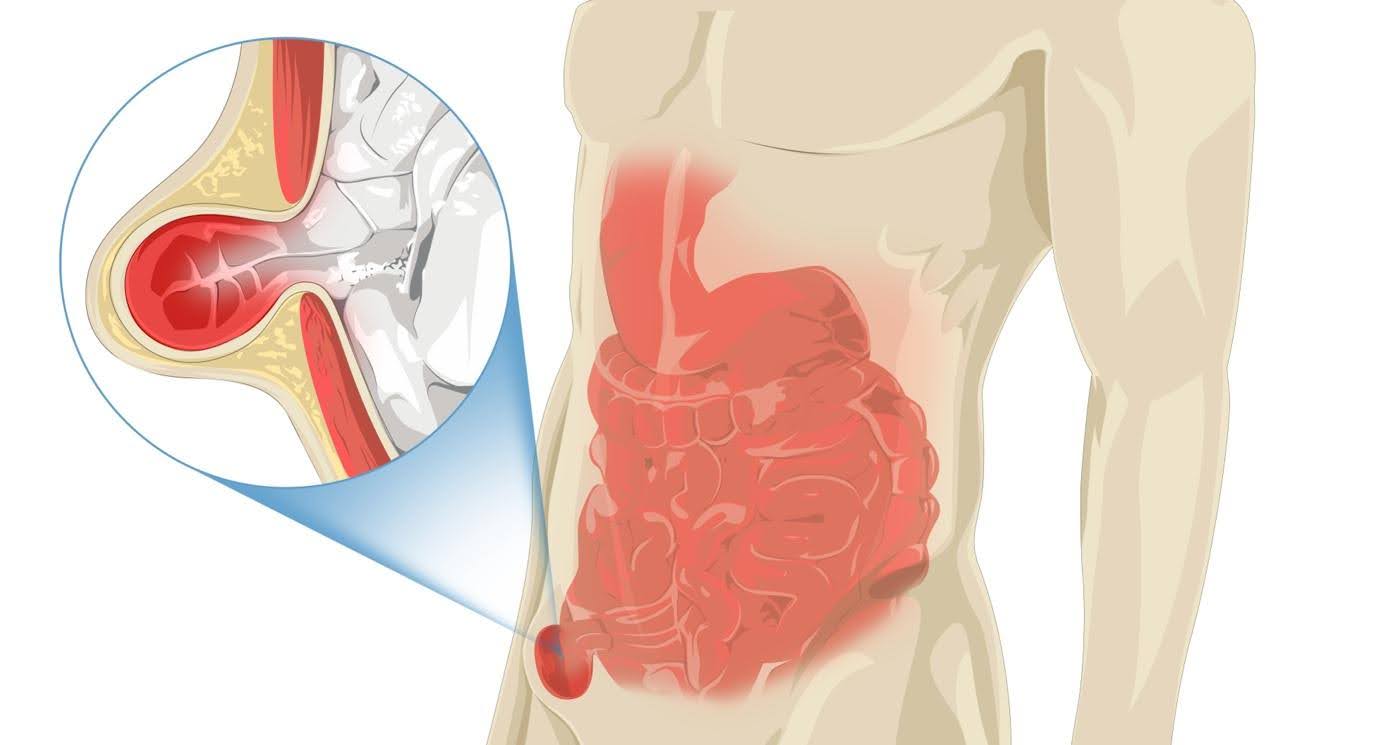
Symptoms of Post-Bariatric Hernias
Symptoms can vary depending on the hernia type and size and may include:
- A visible or palpable abdominal bulge
- Discomfort or pain, particularly with movement or exertion
- A feeling of pressure, pulling, or heaviness in the abdomen
- Nausea or vomiting in more advanced cases
Internal hernias can sometimes show up with symptoms that come and go or aren’t very clear, so it’s really important to get a doctor to look at them. It can be tricky to diagnose, so seeing a specialist surgeon is often the best way to go.
Potential Complications
If left untreated, hernias after bariatric surgery can lead to serious complications, including:
-
Incarceration – Herniated tissue becomes trapped and cannot return to its normal position
-
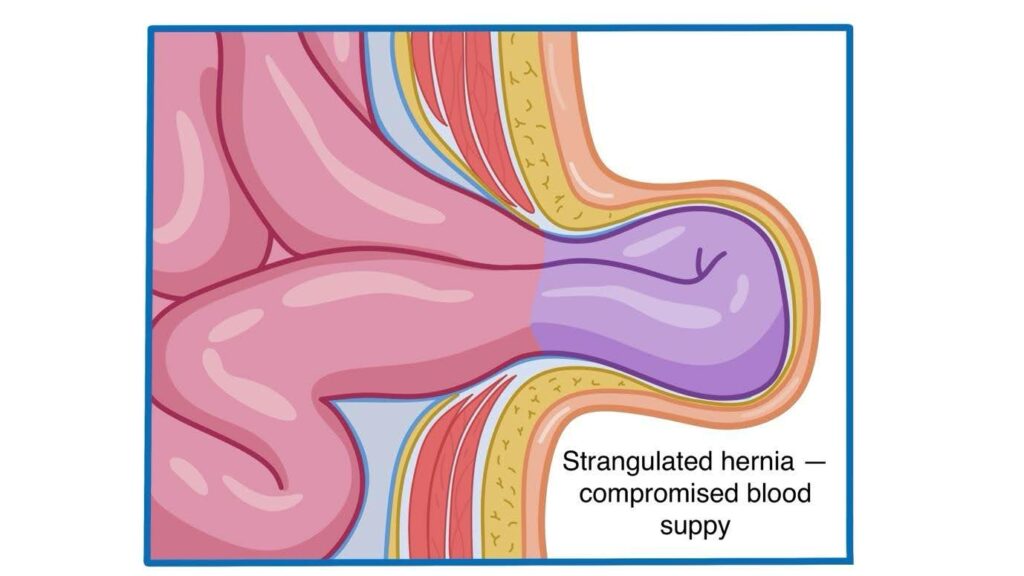
Strangulation – Blood supply to the herniated tissue is compromised, requiring urgent surgery
-
Bowel obstruction – Particularly associated with internal hernias
Sudden worsening pain or gastrointestinal symptoms should be treated as a medical emergency.
Diagnostic Approach
Diagnosis is based on clinical assessment and often supported by imaging due to altered post-bariatric anatomy. Common diagnostic tools include:
- Physical examination
- CT scan to identify abdominal wall or internal hernias
- Ultrasound in selected cases
A detailed review of the patient’s bariatric surgical history is essential.
Surgical Treatment Options
Surgery is the definitive treatment for post-bariatric hernias and is tailored to the individual patient.
Open Hernia Repair
Used for large or complex hernias or when significant scar tissue is present. The defect is repaired and often reinforced with mesh to reduce recurrence.
Laparoscopic (Minimally Invasive) Repair
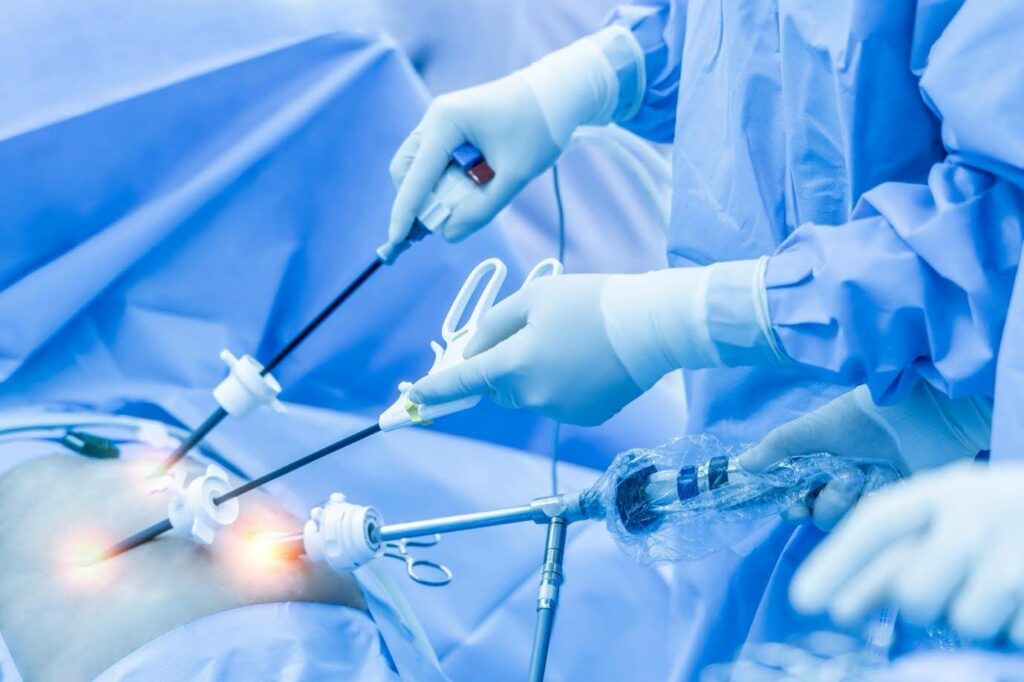
Preferred when feasible, offering smaller incisions, less post-operative pain, and faster recovery. Mesh reinforcement is commonly used.
Staged or Combined Procedures
In selected patients, hernia repair may be delayed until weight stabilizes or combined with body contouring surgery, depending on symptoms and overall risk.
Risks and Considerations
Although hernia repair is generally safe, potential risks include:
- Wound or mesh infection
- Seroma or fluid collection
- Hernia recurrence
- Bowel injury (rare)
Careful surgical planning and experienced post-bariatric care significantly minimize these risks.
Recovery and Post-Operative Care
Recovery is generally straightforward when post-operative instructions are followed:
-
Short hospital stay or same-day discharge in most cases
-
Early mobilization encouraged
-
Avoid heavy lifting for 4–8 weeks
-
Gradual return to normal activity
-
Adequate nutrition to support healing
Weight stability reduces the risk of recurrence.
When to Seek Medical Advice
Medical review is advised if any of the following occur:
- New or enlarging abdominal bulge
- Persistent or worsening abdominal pain
- Nausea, vomiting, or abdominal swelling
- Sudden severe pain following bariatric surgery
Why Mr. Spyros Panagiotopoulos?
With extensive experience in metabolic/bariatric and emergency surgery, Mr Panagiotopoulos provides expert, evidence-based care in postoperative complications to ensure optimal outcomes.